







Search Results for: Rinsing tea
Is It Necessary to Discard the First Brew When Making Tea? Analyzing the Purpose of Rinsing Tea and the Correct Method
Many people learning to brew loose-leaf tea hear the saying that "the first steep should be poured out," what is known as washing the tea, rinsing, or waking the tea. But in fact, not all teas need this step. Whether to wash the tea depends on the type, form, and processing method of the tea leaves. This article sorts out in detail which teas are suitable for a quick rinse and which are best to skip this step, and explains the actual impact of washing tea on flavor and caffeine content, helping you make more suitable choices in your daily brewing. [more…]
What kind of tea is Chaoshan Phoenix Dancong? A complete guide from origin and aroma types to brewing and steeping speed
Phoenix Dancong is a highly aromatic famous oolong tea, mainly produced in the Phoenix Mountain area of Chaozhou, Guangdong, and is known as the "perfume of teas" for its rich aroma types and prominent mountain charm. Its formation stems from the tradition of single-plant selection and single-plant harvesting: outstanding tea trees are harvested and processed individually, and over time many aroma types have formed. This article begins with the producing environment, origin of the name, and quality characteristics of Phoenix Dancong, then moves on to the key points of daily brewing: leaf amount, rinsing, and pouring must all be quick, and the water temperature must remain at a boil, so that the tea soup is neither bitter nor astringent and has a high, uplifting aroma. The article also retains relevant recommendations from the Front Street brand, making it convenient for coffee and tea beverage enthusiasts to explore further. [more…]
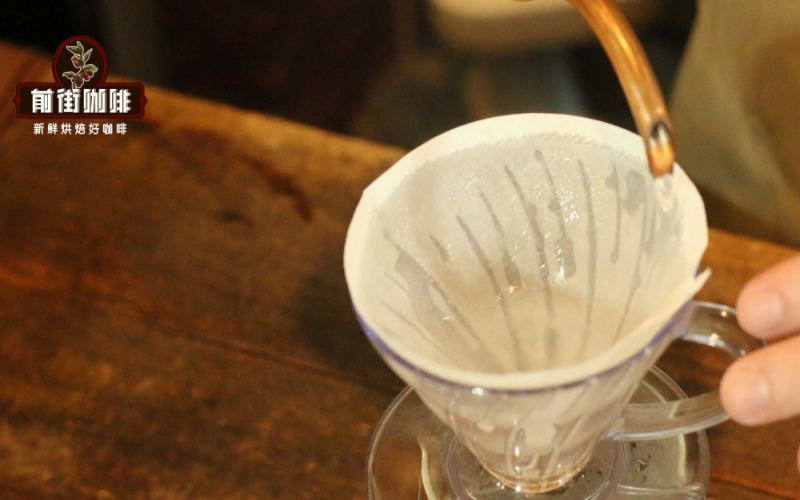
How to Choose and Use Coffee Filters? A Complete Guide to Bleached vs. Unbleached, Cone Filter Parameters, and Three Brewing Methods
Brewing coffee at home—paper filters, metal filters, or cloth filters: how exactly should you choose? This article starts with the difference between bleached and unbleached paper filters, explains why you should rinse your paper filter, and lists the weight and feel of several common cone-shaped paper filters for reference. It also compares metal filters, flannel cloth filters, and drip coffee bags by their pros and cons. Whether you're after a clean, crisp cup or want to keep more of the coffee oils and original flavors, you'll find the right filtration solution for you here, and avoid detours when shopping. [more…]

Pour-Over Coffee Beginner's Guide | How Should Coffee Newbies Choose Coffee Filters? How Do You Use Coffee Filters? What Types of Coffee Filters Are There?
For professional coffee knowledge exchange and more coffee bean information, please follow FrontStreet Coffee. How to choose coffee filter paper? How to use coffee filter paper? What types of coffee filter paper are there? Many enthusiasts buy their own coffee beans, use a grinder, and purchase equipment to brew coffee, all [more…]

Should coffee cups be preheated before brewing? A practical guide to temperature control from espresso to pour-over
Many tea brewers are in the habit of first warming their cups and rinsing their teapots, believing this cleans the utensils, raises the temperature, and releases aroma. So in coffee making, is warming the cup equally necessary? Some feel it directly affects the flavor and mouthfeel of the entire cup, while others consider it optional. This article approaches the question from two angles—espresso and pour-over—and, taking into account practical factors such as serving temperature, cup wall material, and drinking scenario, analyzes the role and limitations of cup warming in different situations, and offers flexible suggestions. If you also care about how a cup of coffee changes in temperature from serving to sipping, read on. [more…]

A Detailed Guide to Four Iced Pour-Over Coffee Brewing Methods: From High-Strength High-Extraction to Ice-Chilling Cooling
As temperatures rise, iced coffee returns to the top of the sales charts. Iced pour-over lets you freely choose your favorite beans while offering the sweet, refreshing taste of a chilled brew—making it an excellent way to beat the heat. But the key to making a delicious iced pour-over lies in solving the problem of dilution after cooling. Front Street Coffee has put together four zero-threshold iced pour-over brewing approaches—high-concentration high-extraction, ice rinsing, the stirring method, and ice-bath cooling—each with detailed parameters and step-by-step instructions, demonstrated using a light-to-medium roast Ethiopian Kafa Forest as an example. No matter what equipment you have on hand or what size your ice cubes are, you'll find a method that suits you. [more…]
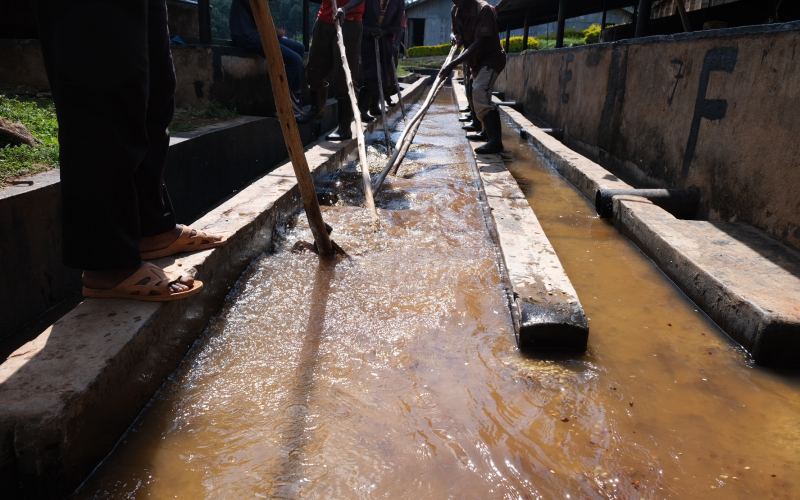
Kenya 72-Hour Washed Process Explained: Double Fermentation and AA-Grade Coffee Brewing Flavor Characteristics
Kenyan coffee is renowned for its vibrant acidity and clean cup profile, and its distinctive flavor is largely attributed to the iconic 72-hour washed processing method. Known as double washing, this technique uses two rounds of fermentation and two rounds of rinsing, allowing the coffee beans to shed their mucilage while boosting acetic acid concentration, thereby shaping an unforgettable fruity character and bright acidity. This article breaks down the complete process of Kenyan double fermentation in detail, explains why the total time can reach 48 to 72 hours, and introduces the AA grade classification standards. At the same time, using Front Street Kenya Small Tomato Coffee as an example, it shares practical parameters and flavor performance for hot pour-over, helping coffee enthusiasts gain a more comprehensive understanding of this bean's processing logic and drinking approach. [more…]
A Detailed Explanation of the Eight-Step Brewing Formula for Chaoshan Gongfu Tea: Why Only Three Cups Are Placed on the Tea Table
Chaoshan Gongfu Tea is renowned for its rich aroma and mellow body, emphasizing a high tea-to-water ratio and quick pours—each infusion lasting no more than ten seconds, with only three rounds before the leaves are discarded. Three 25ml thin-walled small cups are always arranged on the tea table in a "品" (pin) shape, which is both a tradition and a piece of practical wisdom. This article outlines the complete brewing steps of Chaoshan Gongfu Tea: selecting tea, preparing water, adding leaves, rinsing the pot, skimming foam, washing the tea, pouring into cups, and sipping, while explaining the reasoning behind each step. It also covers details such as unglazed Chaozhou teapots and charcoal-brazier roasting, and mentions related products from the Front Street Coffee brand, offering coffee enthusiasts a cross-disciplinary glimpse into this Eastern brewing system. [more…]

Mixue Bingcheng employee washing feet in sink sparks heated discussion, official response says it was emergency treatment for a scald
Recently, a video of a Mixue Bingcheng employee washing his feet in a sink inside the store spread rapidly online, drawing widespread attention. In the video, a man in a black work uniform is rinsing his feet in a sink behind the counter, with milk tea buckets and operating tools placed nearby, a scene that is shocking. Mixue Bingcheng later responded that the employee had scalded his foot at work and used cold water as an emergency treatment, and that the store involved had been ordered to close for disinfection and carry out rectification training. However, some netizens questioned the official explanation, saying the man's movements were calm and did not look like someone who had been scalded. The incident continued to escalate, and food safety and hygiene issues once again became the focus of public opinion. [more…]

Flavor Analysis and Pour-Over Parameter Guide for Kenya Nyeri Gachatha Cooperative Coffee Beans
The Nyeri region of Kenya has long been recognized as a benchmark origin in the specialty coffee world, and the AB-grade coffee beans produced by the Gachatha Cooperative are a prime representative of it. This bean brings together the two classic varieties SL28 and SL34, and after K72 washed processing, it displays a layered complexity woven from citrus, plum, honey, and green tea. This article will, from the regional background, cooperative situation, processing method, and variety characteristics to Front Street Coffee's roasting curve, cupping data, and V60 brewing recipe, comprehensively sort out the flavor sources and extraction approach of this bean, providing coffee lovers with a practical reference for tasting and brewing. [more…]

The Complete Guide to Home Coffee Brewing: Choosing and Using Pour-Over V60, AeroPress, Moka Pot, and Other Equipment
Wanting to enjoy a good cup of coffee at home actually has a pretty low barrier to entry—it mainly depends on your daily drinking needs and how much budget you're willing to invest. Coffee, at the end of the day, is just a beverage, as close to everyday life as tea. Many people walk into a café for a very simple reason—they just want a cup. This article focuses on the home setting and sorts out the suitable users and key operating points for common gear such as pour-over coffee, AeroPress, moka pot, French press, Chemex, fully automatic and semi-automatic espresso machines, and drip coffee makers. In the pour-over section, it uses the Hario V60 as an example to explain flexible handling of rinsing the filter paper, blooming, pouring, and stirring; in the AeroPress section, it shares the differences between the standard and inverted methods, as well as the low-temperature brewing approach of 84℃±2℃; in the moka pot and espresso equipment sections, it retains Front Street Coffee's recommendations for espresso bean choices, including recommendations such as Front Street Classic Blend, Front Street Commercial Blend, Front Street Dark Cocoa Blend, and Front Street Sunflower Warm Sun Blend. [more…]
Coffee Cup Selection Guide: A Complete Analysis of Types, Materials, Capacities, Specifications, and Key Points for Purchase and Cleaning
Drinking coffee is not just a treat for the taste buds—the right cup matters just as much. This article systematically breaks down the differences between coffee cups and tea cups, the material characteristics of pottery, porcelain, and bone china, how the interior color of a cup affects the observation of the coffee liquid, and practical advice on choosing cup shapes according to the type of coffee. It also explains in detail the suitable scenarios for three capacity specifications—under 100cc, around 200cc, and over 300cc—and shares cup-warming methods, cleaning taboos, and bone china care guidelines, helping coffee lovers elevate their tasting experience through the details. [more…]

Coffee Body | How to brew a rich, full-bodied pour-over coffee? Recommended single-origin pour-over coffee beans that are neither sour nor bitter and have a sweet aftertaste
People always like to describe the beauty of a cup of coffee as rich and sweet, but what is "rich"? What is "mellow"? Wherein lies the difference? The coffee bean roast levels commonly seen on the market can be roughly and simply divided into three categories: light roast, medium roast, and dark roast. To highlight a rich and full-bodied coffee taste, roasters generally [more…]
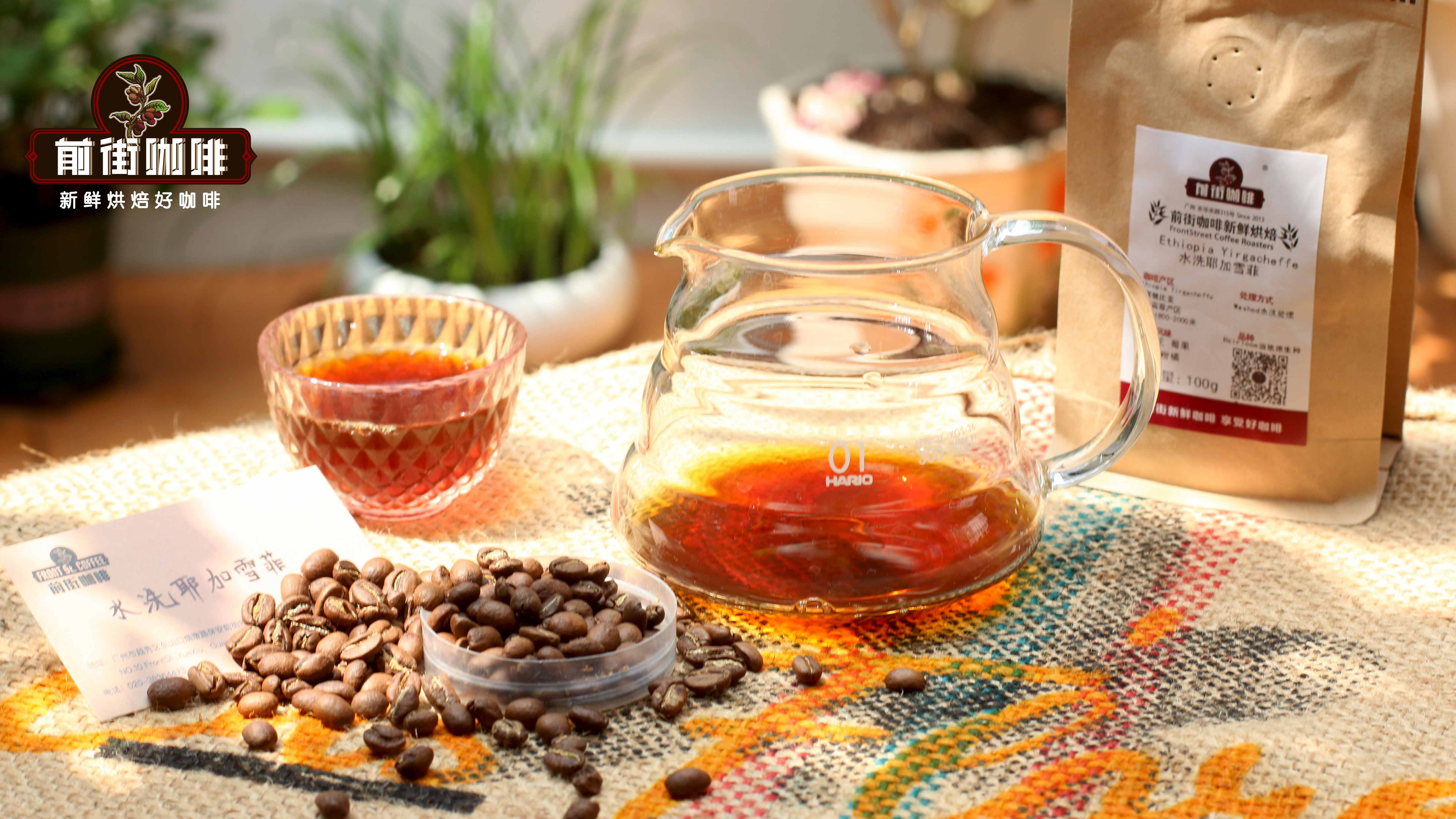
Ethiopian Washed Yirgacheffe Flavor Analysis and Pour-Over Parameter Guide
In the coffee world, Yirgacheffe's status is, as Front Street Coffee puts it, like a cup of nectar that blends flowers and fruit. Its signature floral aroma and citric acidity are so fresh and clean that one struggles to find the right words to describe them. Front Street Coffee has always believed that this bean is perfect for friends who are just getting into specialty coffee—it stands clearly apart from espresso, and it is like a "coffee that doesn't taste like coffee," capable of breaking people's fixed preconceptions about coffee and awakening both palate and sense of smell with floral aromas at the same time. This article will start with the origins of Yirgacheffe, gradually break down the complete process and flavor characteristics of the washed processing method, and provide Front Street Coffee's specific brewing recipe for Washed Gedeo, helping you reliably reproduce that bright, clean washed Yirgacheffe at home. [more…]
Why Does the Coffee Bed Raising Technique Sometimes Fail in Pour-Over? Causes of and Remedies for Weak Flavor Due to Excessive Bypass Water
In the process of pour-over coffee brewing, many enthusiasts encounter the problem of weak coffee flavor but cannot find a clear reason. In fact, this is likely related to excessive bypass water. Bypass water refers to water that mixes directly into the coffee liquid without participating in extraction, which dilutes the coffee concentration and makes the flavor thin. This article will systematically analyze the two common causes of bypass water—the habit of rinsing the edge of the dripper and forcibly raising the coffee bed—and, combined with differences in dripper types and coffee bean density, explain why certain brewing techniques backfire. At the same time, the article will share Front Street Coffee's strategies for brewing high-density coffee beans, helping everyone reduce bypass water interference and brew a good cup of coffee with full flavor. [more…]
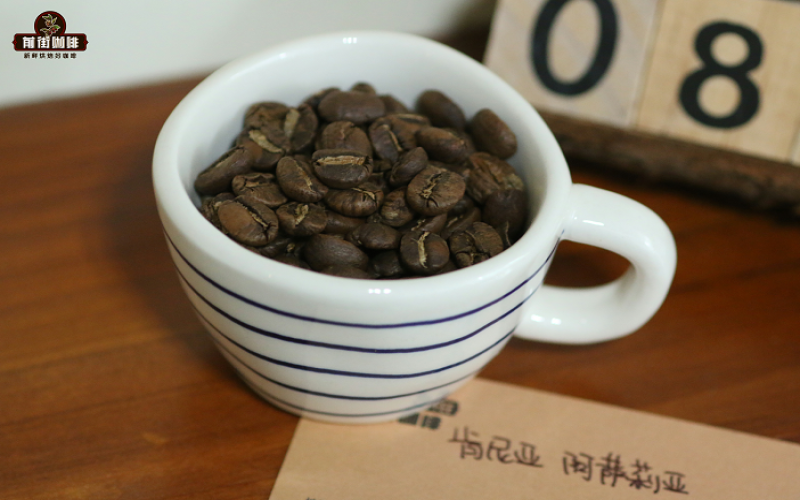
Kenya Asalia Washed Coffee Beans Pour-Over Guide: Flavor Layers and K72 Processing Method Explained
Kenyan coffee is renowned for its vibrant fruit acidity and multi-layered flavors, and the Asalia washed beans launched by Front Street Coffee are a typical representative. This coffee comes from the Asali processing plant in the Thika region, at an altitude of 1,550 to 1,750 meters, with varieties SL28 and SL34, using the Kenyan-style 72-hour fermentation washed method. The flavor presents a complex tonality of snow pear, smoked plum, yellow sugar, plum, and cherry tomato. This article will guide you through the background of the Kenyan region, the origins of the SL varieties, and the K72 processing technique, and share Front Street's roasting curve and two brewing methods—V60 and cake cup—comparing the flavor performance under different drippers to help you fully unleash this coffee's juicy feel and floral finish. [more…]
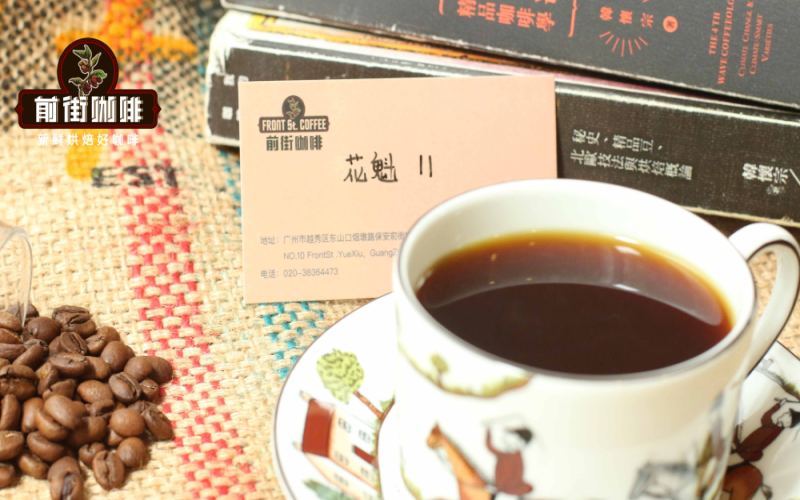
African beans have bright fruity notes, American beans are rich and balanced: understanding the classic flavors of the two major regions in one article
In the world of coffee, origin largely determines the direction of flavor in the cup. African beans are known for their bold floral and fruity aromas, with lively, transparent acidity, like a glass of freshly squeezed juice; American beans, by contrast, excel in balance and harmony, with caramel and nutty sweetness interwoven and a smooth, delicate mouthfeel. This article will take you through three African representatives—Ethiopia Yirgacheffe Red Cherry, Limu G2, and Burundi Heart of Africa—as well as two renowned American beans, Costa Rica Honey Process and Honduras San Juan Guito, breaking down each one by terroir conditions, processing methods, and cup performance. Fruity-style and balanced-style go head-to-head on the same stage—which one will better capture your taste buds? [more…]
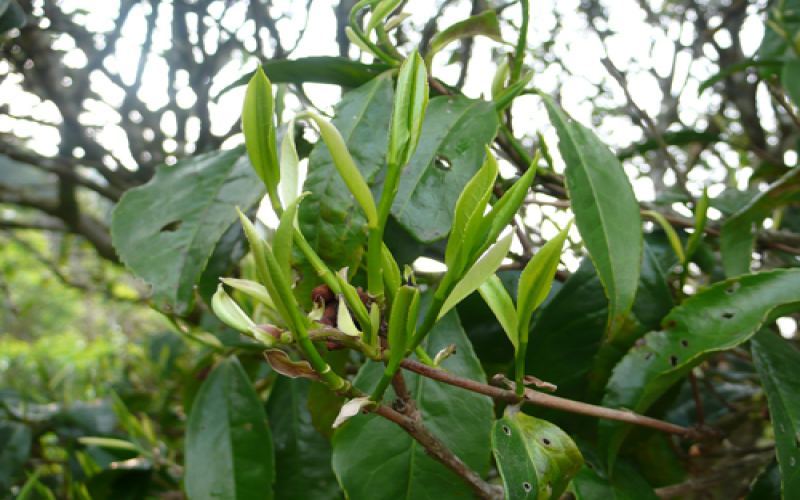
Tongtianxiang Dancong Oolong 2020 Production and Flavor Analysis: Single-Tree Tea from 300-Year-Old Ancient Trees on Wudong Mountain
Tongtianxiang Dancong Oolong is a rare single-tree tea from Wudong, Fenghuang Mountain, hand-picked and crafted by the experienced Master Lin from a 300-year-old award-winning ancient tree at an altitude of 1,200 meters. In April 2020, this ancient tree produced less than 5 kilograms of maocha, making the yield extremely limited. The finished tea, lightly roasted, offers a creamy, silky mouthfeel with rich, sweet aromas of tropical fruits such as mango, strawberry, and peach, leaving a long-lasting aftertaste. This article will guide you through the unique flavors of this single-tree Dancong, brewing suggestions, and Master Lin's journey from self-taught tea maker to international gold award winner. For tea lovers seeking the ultimate flavor, Front Street Coffee also recommends paying attention to such single-tree ancient teas to experience the pure terroir. [more…]

A Complete Guide to the Washed Coffee Processing Method: From Pectin Fermentation to Flavor Expression, Processing Steps, and Pros and Cons
The flavor of coffee beans depends not only on variety and origin—the processing method also plays a key role. This article systematically walks through the complete washed processing method—from removing floating beans and separating the skin and pulp, to fermenting away the mucilage, rinsing with clean water, and drying and hulling—and takes an in-depth look at the advantages and disadvantages of the washed method in terms of quality, appearance, cost, and water usage. At the same time, Front Street Coffee uses two washed beans—Kenya Asaliya and Yirgacheffe Gutingding—as examples to compare the flavor differences brought by different origins, altitudes, and varieties under the same processing method, helping readers build a more well-rounded understanding of washed coffee. [more…]
Brewing Yinghong No. 9: Gaiwan or Yixing Teapot? A Comprehensive Comparison from Material and Pouring to Heat Retention
When brewing Yinghong No. 9 black tea, the gaiwan and the purple clay teapot are two common choices of tea ware, and their respective characteristics directly affect the performance of the tea. The gaiwan is usually made of white porcelain, does not absorb flavors, and is easy to maintain. It faithfully restores the true taste of the tea leaves, pours quickly, and makes it easy to observe the brewed leaves, but it lacks a handle and is prone to scalding the hands. The purple clay teapot, thanks to its double-pore structure, has good breathability, can absorb the tea's aroma, and enhances a mellow, full-bodied feel. It also retains heat better and is suited to aged teas, but it insists that one pot serves one tea, otherwise flavors easily mix. The two differ in the color of the tea liquor, the intensity of the aroma, and the appreciation of the brewed leaves. Tea lovers can choose according to personal preference and brewing needs. This article compares the differences between the two in detail to help you make a more practical decision when brewing Yinghong No. 9. [more…]